A well-made dental restoration can last for many years. How long it lasts, however, also depends on how it is cared for at home and on regular check-ups with your dentist. Ceramic does not decay, but the tooth beneath it, the surrounding gum and the bone that supports an implant need the same attention as natural teeth.
- Brush twice a day with a medium toothbrush, followed in every case by a water flosser.
- For crowns and veneers: dental floss and, in some cases, interdental brushes.
- For dental bridges: special bridge floss and, in some cases, interdental brushes.
- For All-on restorations: the water flosser is the main tool for cleaning under the restoration.
- For all restorations: a professional clean every 3–6 months, as advised by your dentist.
Care differs with the type of restoration. A crown on a single tooth is cleaned differently from a dental bridge or an All-on restoration, so I will take them one at a time.
Brushing and the water flosser: the basic rule for every restoration
Brush twice a day with a medium toothbrush. It does not injure the gums, yet cleans the surfaces of the restoration and the teeth effectively. Use a low-abrasion toothpaste so that the glaze of the ceramic is not scratched.
After brushing, I recommend using a water flosser (oral irrigator) in every case. The water jet cleans the areas a toothbrush cannot reach: the margin between the restoration and the gum, the spaces between the teeth and the area under bridges.
How to care for dental crowns, veneers and implant crowns
Single-tooth restorations cover one tooth: a dental crown, a porcelain veneer, an inlay or onlay, or a crown on an implant.
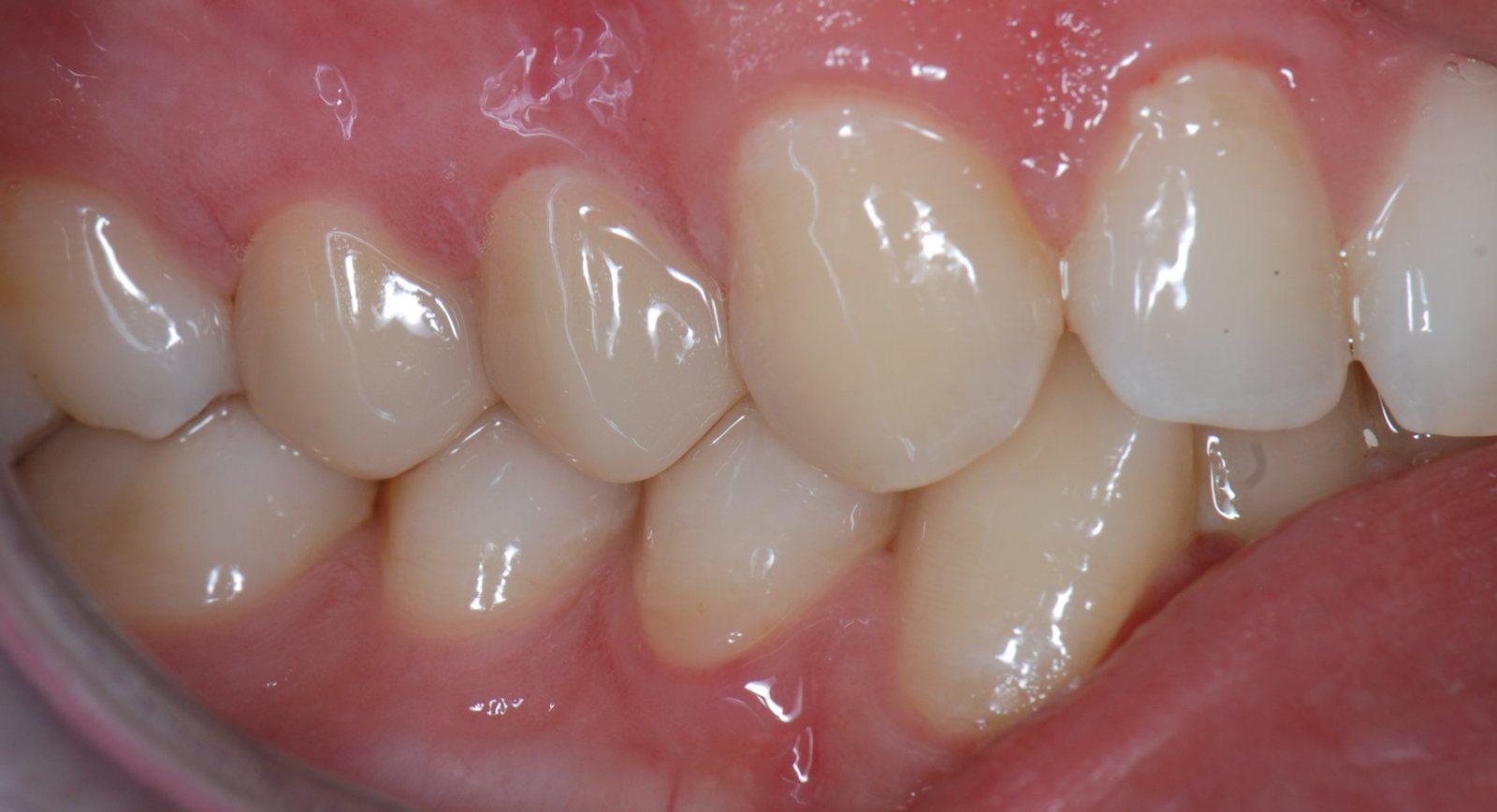
In addition to brushing and the water flosser, the spaces between the teeth are cleaned with dental floss. It removes plaque from the side surfaces, where decay at the edge of a restoration and gum inflammation most often begin.
In some cases, for example when the spaces between the teeth are wider or the gum has receded, your dentist may recommend interdental brushes instead of floss or alongside it. The right brush size is chosen at the clinic.
How to clean a dental bridge
A dental bridge replaces one or more missing teeth and is supported by the neighbouring teeth or by implants. The teeth of a bridge are joined together, so ordinary floss cannot pass between them. The hardest area to clean is beneath the tooth that replaces the missing one, where the bridge rests on the gum.
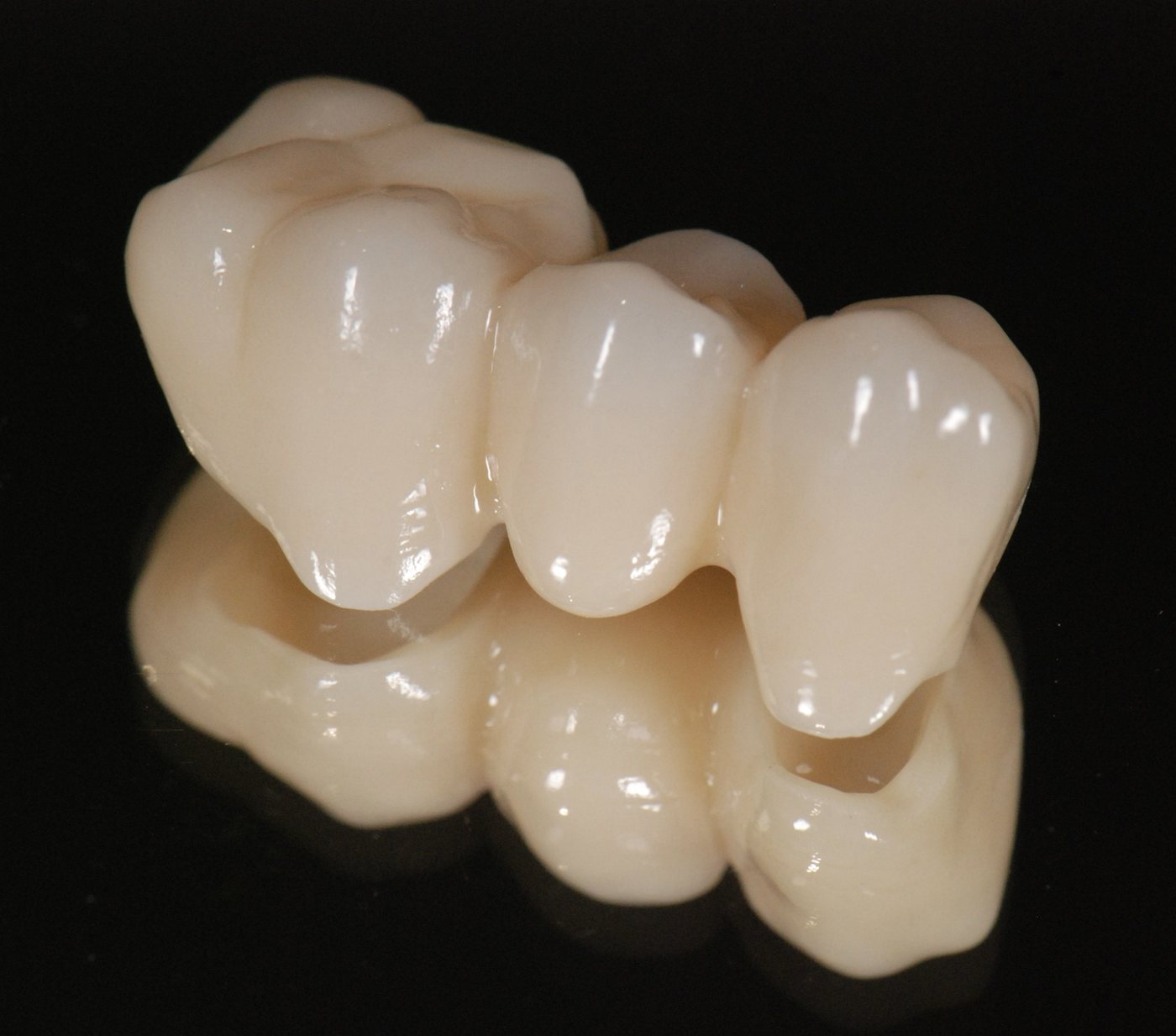
Bridges are cleaned with special bridge floss. It has a stiff end that is threaded under the bridge and a thicker, spongy section that cleans beneath the restoration and around the supporting teeth. In some cases interdental brushes are also useful.
The water flosser is especially useful for bridges, because the jet reaches under the restoration, where food debris collects.
Caring for All-on implant restorations
All-on restorations (All-on-4, All-on-6) replace all the teeth in an arch and are fixed on 4 to 6 implants. Patients cannot remove them, and beneath them there is a space between the restoration and the gum that must be cleaned every day.
At home, after brushing, the water flosser is the main tool for cleaning under the restoration. Only in exceptional cases may your dentist also recommend special floss.
At regular check-ups, your dentist may decide to remove the restoration from the implants so that the implants and the restoration can be cleaned more thoroughly. This is done at the clinic, and the restoration is then fixed back on the implants.
Professional cleaning at the clinic, every 3–6 months
Whatever the type of restoration, care at home does not replace professional cleaning. For single-tooth restorations, bridges and All-on restorations alike, a professional clean at the dental clinic is done every 3–6 months, as advised by your dentist.
At these visits, the dentist checks the restoration, its margins, the gums and, with implants, the condition of the surrounding tissues. Small problems are easy to resolve when they are found early.
A night guard if you grind your teeth
If you grind your teeth at night, the high forces can crack the ceramic or overload the implants. In these cases, I recommend a protective night guard worn during sleep.
When to see your dentist sooner
Book a visit before your usual check-up if you notice:
- bleeding or inflammation of the gum around the restoration;
- a restoration that moves or has come loose;
- a chip or crack in the ceramic;
- discomfort when biting.
You will find answers to other questions on the Frequently asked questions page. You can read about the types of restorations on the Prosthodontics and Dental implants pages.
Frequently asked questions
Do I need a water flosser if I brush my teeth?
Yes. I recommend a water flosser after brushing for all dental restorations. The water jet cleans the areas a toothbrush cannot reach, such as the margin between the restoration and the gum and the area under bridges.
How often should I have a professional clean?
Every 3–6 months, as advised by your dentist, for all types of restorations: crowns, veneers, dental bridges and All-on restorations.
Why is an All-on restoration removed from the implants at a check-up?
So that the implants and the restoration can be cleaned more thoroughly. The dentist decides when this is needed; it is done at the clinic and the restoration is then fixed back on the implants.
This article provides general information and does not replace a consultation and clinical examination. Care recommendations are tailored to each patient by the dentist.

Dentist with over 20 years of practice dedicated to prosthodontics and dental aesthetics. Founder of ARTeeth Dental Clinic, Bucharest.
At your check-up we examine the restoration, its margins and the gums, carry out a professional clean and show you how to look after it at home.